Kling AI Avatar: make a photo speak with your audio
Bottom Line Up Front (BLUF): Kling AI Avatar is an AI video generator that turns a portrait into a talking person. Upload a photo and an audio recording, and the output is a video where the face from your picture delivers the speech — lips synced to every syllable, eyes blinking, head moving naturally. No camera, no studio, no on-screen talent: one image and one sound file replace the entire shoot.

What you need to generate a talking avatar
Exactly two ingredients. The image can be JPEG, PNG or WebP up to 10 MB. The audio can be MP3, WAV, AAC, OGG or M4A, also up to 10 MB, with one strict rule: it must run under 15 seconds. If your recording is longer, a trimming tool is built right into the form — select the fragment you want and generate, no external editor required.
From there the model handles everything: it detects the face, shapes mouth movements for each sound, and layers on micro-motion like blinks and small head turns so the result reads as footage rather than a puppet. Clips arrive in your generation history, and the same portrait can be re-voiced with new audio as many times as you like.
Standard vs Pro mode
Two quality tiers are available. Standard renders at 720p — plenty for stories, messengers and anything watched on a phone screen. Pro renders at 1080p with finer facial detail and a cleaner image, which is what you want for presentations, landing pages or any screen larger than a palm.
A sensible routine: test your photo-and-audio pairing in Standard first, check that the lip sync landed and nothing warped, then rerun the keeper in Pro. Since cost scales with duration and quality, drafting at the top tier is just burning balance on takes you will discard.
Picking the right photo and recording
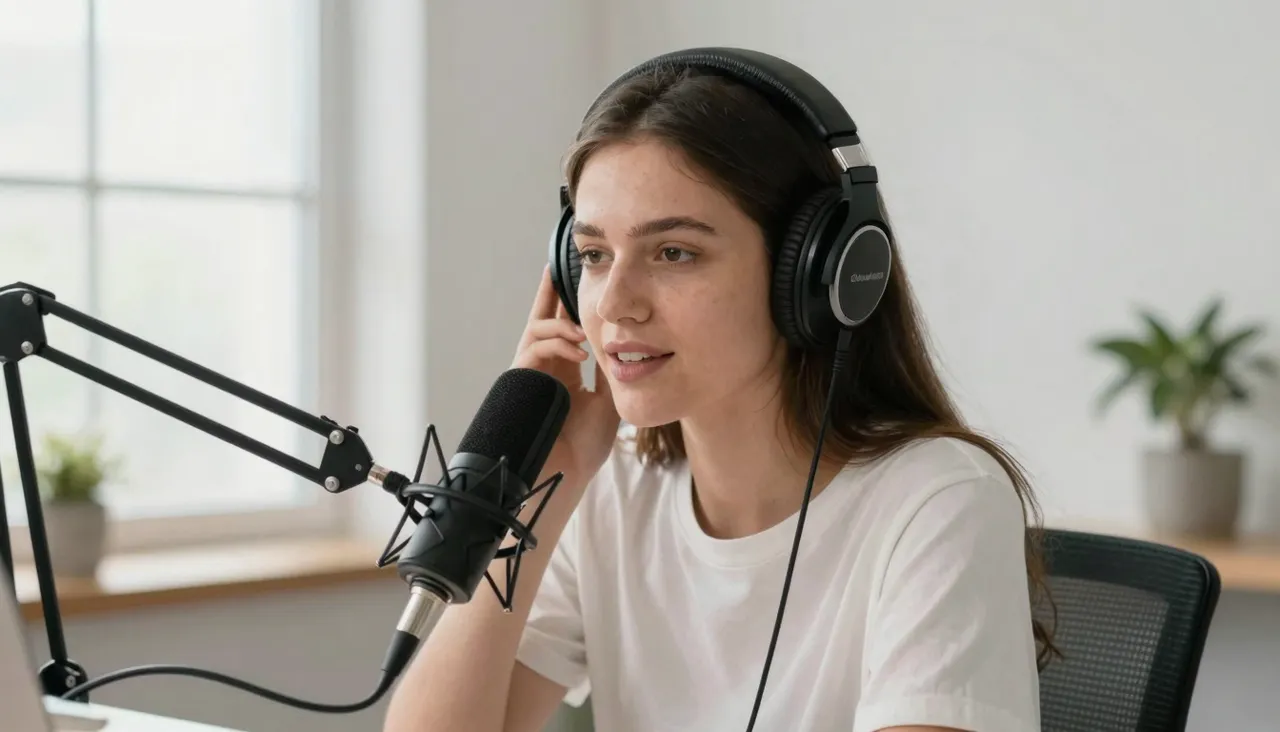
The ideal photo is a front-facing portrait with the whole face visible — no sunglasses, no hand near the chin, and absolutely nothing covering the mouth, because the mouth is where all the animation happens. Even lighting and a face that fills a good share of the frame help; the background barely matters.
Audio rules are softer but follow the same logic: clean speech produces clean articulation. A quiet recording at normal volume beats a voice memo taken on a windy street. The under-15-second limit forces you to write tight — which is a feature, not a bug, since short punchy lines outperform rambling monologues in video anyway.
What people actually make with it
The crowd favorite is personalized greetings: a friend's photo plus a recorded toast becomes a birthday video where they appear to deliver the speech themselves. Businesses lean on a different pattern — a founder's face or an invented spokesperson introduces a product in a listing, welcomes visitors on a site, or fronts a promo story.
Course creators voice short explainer inserts without filming themselves for every lesson; one good portrait stands in for a studio day. Social media managers keep a recurring digital host — the same recognizable face commenting on brand news clip after clip, which builds familiarity no rotating stock footage can.
Troubleshooting a weak result
Nine times out of ten the source photo is the problem. A three-quarter profile, a tilted head, or a tiny face in a full-body shot starves the model of mouth detail, and the articulation comes out mushy. Crop tighter on the face and choose a straight-on gaze — the fix is usually that boring.
The other culprit is messy audio: background music or overlapping voices leave the model unsure what to sync to. And mind the clock — a track of 15 seconds or more will not pass validation, so trim to about 14 seconds with the built-in tool and keep only the line that matters.
Frequently asked questions
What audio formats work, and what if my file is too long?
MP3, WAV, AAC, OGG and M4A up to 10 MB are accepted, and the track must be under 15 seconds. You do not need external software for long files — the generation form includes a trimmer where you pick the exact fragment before launching.
What does Pro mode give me over Standard?
Resolution: Standard outputs 720p, Pro outputs 1080p with sharper facial detail. The animation engine is the same, so a common workflow is drafting in Standard and switching to Pro only for the final export.
Can I animate a photo of someone else?
Only with their consent. Putting words in a real person's mouth without permission violates their image rights. Safe options are your own photos, willing friends and family, or entirely AI-generated faces.