How much does a photo shoot for a marketplace cost and what you don’t need to buy from it?
Briefly about the main thing (BLUF)
The estimate for a photo shoot for a marketplace ranges from several thousand to hundreds of thousands: photographer, studio, props, retouching - everything is calculated differently. Let's look at what the price is made up of, what the neural network covers, and how to calculate it honestly.
The question “how much does it cost to shoot cards” sounds simple, but the answer is different for everyone: from several thousand to hundreds. The variation is not due to the greed of photographers - it’s just that different things are included in the estimate.
Let’s figure out what the amount is made up of, and where the neural network actually replaces the expense and where it doesn’t.

What does the estimate consist of?
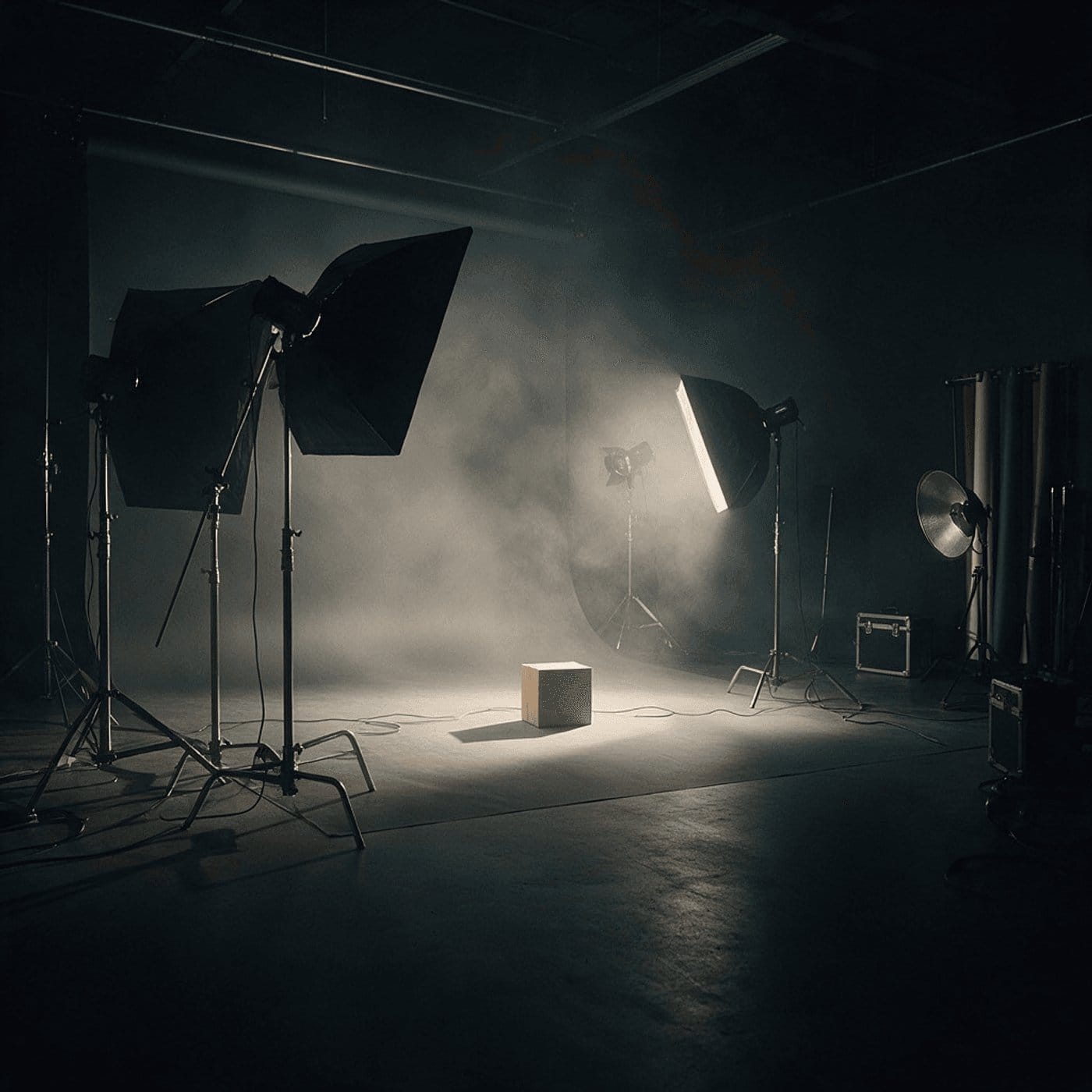
- Studio rental. Hourly, and you almost always need more hours than you think: laying out, filming, rearranging.
- Photographer. Filming day or frame package.
- Model, if the thing is removed on a person. Plus a stylist if there are a lot of things.
- Props and background. Usually a small thing individually and a noticeable amount in total.
- Retouch. It counts as a frame, and it is she who turns “shot in a day” into “received in two weeks.”
- Logistics. Transporting the goods to the studio and back also takes time and money.
A separate line that is not written in the estimate - alterations. The angle didn't work, the packaging changed, color was added. This is a new shoot entirely, because bringing together the same studio, the same photographer and the same model in a month is a task in itself.

What the neural network closes and what it doesn’t
Fair on both sides.
Closes well: background and environment for a product, different scenarios for using one thing, infographics, a series of cards in the same style, an item on a model, quick remakes - changing a scene is cheaper than reshooting.
Doesn't close: original photo of the product itself. The product must be real and yours - real material, color and texture. The neural network places your item in normal light and a meaningful scene, but does not invent it for you. A poorly removed wrinkled item will remain wrinkled.
Another honest disclaimer: it doesn’t always work out the first time. A couple of attempts per frame is the normal operating mode; it costs a penny compared to reshooting, but it still takes time.
How to count honestly
Compare not “shooting versus generation”, but the total cost of owning cards for a year. It includes the first shoot plus all the changes: new colors, new packaging, seasonal scenes, line expansion.
In studio shooting, every redo is a new studio, a photographer and anticipation. In generation, rework is editing the description. This is where the main difference is made, not in the first frame.
A reasonable hybrid that many people choose: take a clean product photo of each product once - exactly, in normal light, on white - and then collect all the variability by generation. The cost of filming drops significantly, but the integrity of the card is maintained.
Where to start
Take one product that currently has the weakest card and put together a complete set for it: a photo in a scene, an item in use, an infographic. On one product you can immediately see how much time it takes you personally and whether it is worth transferring the rest of the range to this.
Examples for seller tasks - on the page photos and infographics for Wildberries and Ozon cards, try it on your product - in the section generating pictures.
Detailed analyzes in parts: product photo without studio, infographics for cards And one model for the entire line.
Frequently asked questions (FAQ)
Question: How to get the best result from a neural network?
Answer: Use detailed prompts (descriptions) in English, set the style and details of the scene.
Question: Can these materials be used for commercial purposes?
Answer: Yes, the generated content is entirely yours.