One model for the entire product line: how to collect cards in a single series
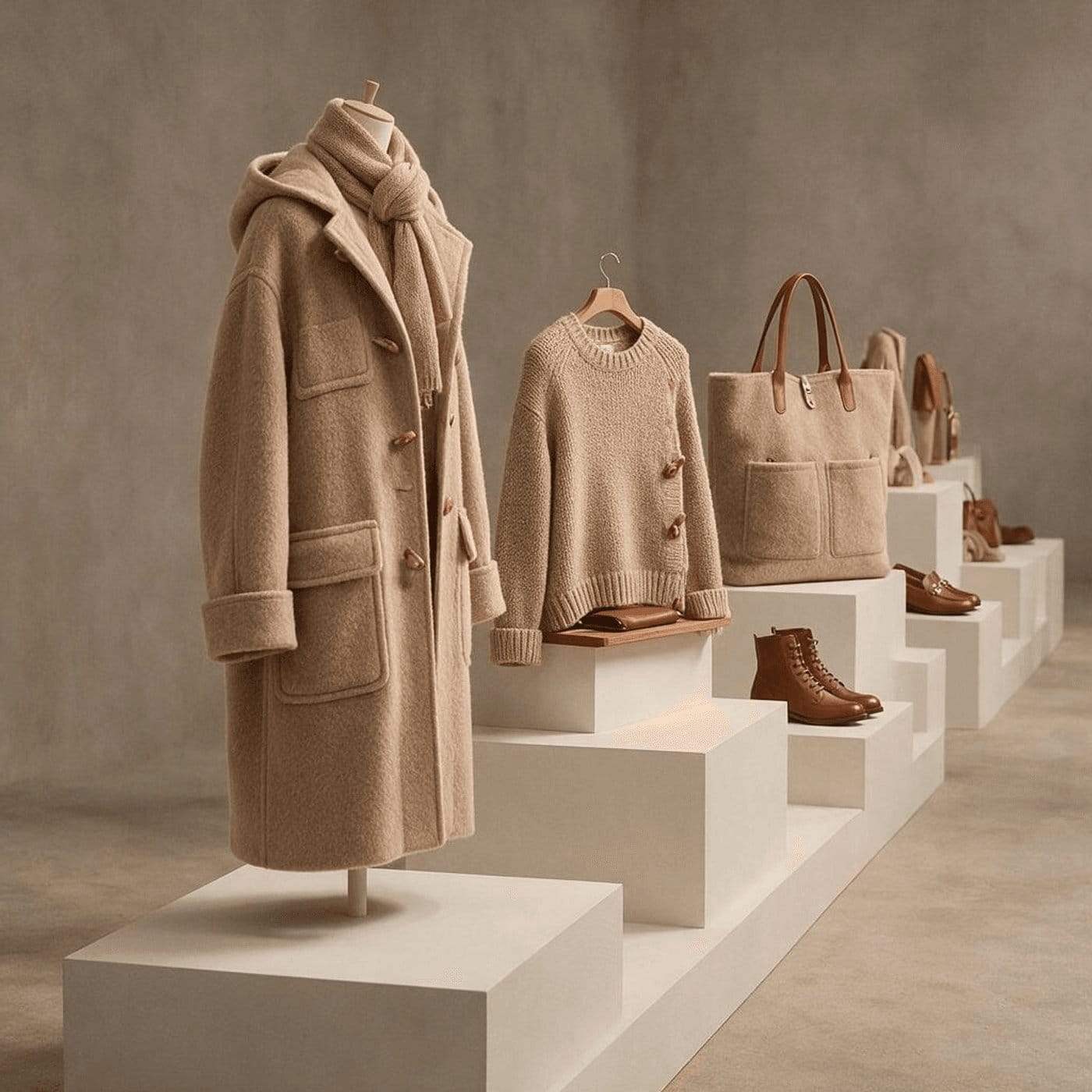
Briefly about the main thing (BLUF)
When there are twenty products, the discrepancy in cards turns the store into a dump of other people's photographs. The solution is one model for the entire line: a series of cards with the same face. We tell you what it means to “save the model”, where the series breaks down and how long it takes.
While there are three products, the discrepancy in the cards is invisible. At twenty, it becomes a problem: the store looks like a random dump of other people's photos, and there is less trust in it.
This is especially noticeable in clothing and accessories, where the item is removed on a person. Each new shoot means a new model, new light, new background. The ruler falls apart.

Why does a single series sell better?
Three reasons, all applied:
- Recognition. A buyer scrolling through the issue begins to recognize your cards before he reads the name of the store.
- Comparison. When things are shot the same way, a person compares the things themselves, and not the quality of the shooting. He chooses faster - and chooses more often.
- Brand feeling. The single visual reads as “someone is behind this.” Inconsistency is like resale from a warehouse.
What does "save model" mean?
Modern generation models are able to maintain the appearance of a character between frames: the same person, the same face, the same texture of skin and hair - but in different clothes and a different pose. This is a tool for a product line.
The working diagram looks like this:
- You collect “your” character once. Appearance, age, body type, hairstyle - everything is described in words and recorded. This is your model for the entire line.
- Fix the studio. The background, light, shot, pose are the same for all frames in the series. Save the wording separately and reuse it.
- You only change the thing. The next product is inserted into the description, but don’t touch the rest.
The key point is not to rewrite the description every time. Exactly what you change will be different; everything that you reformulate “in your own words” will work.
Where the series breaks down
Different light. The most common problem. “Soft studio light” in one frame and “natural light by the window” in another - and things look different colors, although the color is the same.
Different plan. One shot is waist-high, the second is full-length. In the search results, the products are visually of different sizes, causing the eye to stumble.
Drift of appearance. If a character is described generically (“a girl with blond hair”), by the tenth frame it will be a different person. Be more specific and keep the wording the same.
Forgotten honesty. A model can wear your item, but the item itself must remain yours and real—color, texture, cut. A card where a product has been “improved” beyond recognition will result in returns and bad reviews. This is not even about ethics, but about economics: a return costs more than a beautiful shot.
How long does it take
Shooting a line of twenty positions means a studio day, a model, a stylist, and then a week of processing. Assembling the same line with a description takes several hours, including redoing unsuccessful frames. Moreover, you can add the twenty-first product in a month with the same character, without collecting everyone again, but you still need to be able to organize a repeat studio shoot with the same model.
You can see examples of a series in the same style on the page photos and infographics for Wildberries and Ozon cards, collect yours - in the section generating pictures.
If you still have a question about the basic frame of the product, start here: product photo for a card without a photo studio. And about how much it costs in terms of money - how much does a photo shoot cost for a marketplace?.
Frequently asked questions (FAQ)
Question: How to get the best result from a neural network?
Answer: Use detailed prompts (descriptions) in English, set the style and details of the scene.
Question: Can these materials be used for commercial purposes?
Answer: Yes, the generated content is entirely yours.